



One Consultation Can Change a Child’s Journey
During a paediatric consultation on our latest outreach trip to Hukuntsi our specialist met a three-year-old boy whose story highlighted exactly why outreach trips matter. 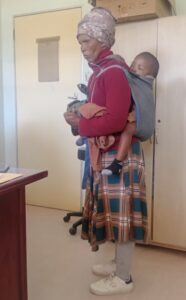
His mother shared that during his birth by Caesarean section, her son was accidentally injured on the head. As he grew older, she began noticing that his development was slower than expected. Today, he experiences impaired motor skills and is unable to speak.
The child had also previously suffered from pneumonia, and his mother reported that his testicles had not descended. These concerns, together with his developmental difficulties, require continued medical assessment and support.
For his mother, the outreach consultation provided an opportunity to have her concerns heard by a specialist and to begin the process of understanding her son’s condition
Looking Beyond the Initial Consultation
Following the consultation, the paediatrician identified the need for further investigations. The child’s developmental history and clinical findings meant that a definitive diagnosis could not be established during the outreach visit alone.
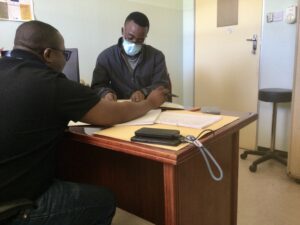
He is being referred to Sir Ketumile Masire Teaching Hospital for further assessment and specialised investigations, including scans and other tests that may help doctors better understand his condition.
This is an important part of specialist outreach, the goal is not always to provide an immediate answer, but to identify concerns, begin the right investigations and connect patients with the appropriate care.
Three More Children Diagnosed With Down Syndrome
The outreach also highlighted the importance of early identification and family support for children with developmental conditions.
Three other paediatric patients seen during the outreach had been diagnosed with Down Syndrome. For their families, receiving a diagnosis can bring many questions and uncertainty about what the future may look like and how best to support their children.
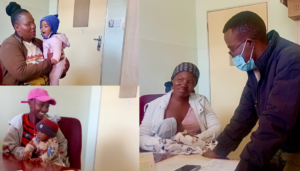 This is where the involvement of social workers becomes particularly important. Social workers can help parents understand their children’s needs, identify available support services and provide guidance on how families can care for and support their children as they grow. This support can help parents feel better equipped to advocate for their children and make informed decisions about their education, healthcare and overall wellbeing. A diagnosis should not be the end of a family’s journey. It should be the beginning of a support system that helps children reach their full potential.
Healthcare Is More Than Medicine
These cases demonstrate that healthcare extends far beyond a doctor’s consultation. Children living with developmental challenges may require ongoing medical care, rehabilitation, social support, educational assistance and strong family involvement. Parents and caregivers may also need guidance to understand their child’s condition and the resources available to them. By bringing specialists and other healthcare professionals closer to communities, outreach programmes can identify these needs earlier and help connect families with the appropriate services.
Bringing Specialists to the People
Outreach trips remind us that access to healthcare should not depend on where someone lives. Every child deserves the opportunity to have their development assessed. Every parent deserves the opportunity to have their concerns heard. Every family deserves access to the information, support and specialist care they need. Through our outreach programmes, Airborne Lifeline Foundation continues to work towards bringing specialist healthcare closer to communities across Botswana. Because sometimes, the most important part of healthcare is not only treating a patient—it is reaching them in the first place. Together, we can bring specialist care closer, identify needs earlier and help more families find a path towards the care and support they deserve.